
A Century of Golf, Told in a Handful of Remarkable Years
From a nine-hole course cut for officers of the King's African Rifles to one of only 64 Royal-chartered golf clubs in the world — this is the story you'd be joining.
A Recreational Ground for Officers, Grown Into an Institution
Royal Nairobi Golf Club was founded in 1906 as a recreational facility for officers of the King's African Rifles, the precursor to the Kenyan Army. It was the third golf club established in British East Africa, following two earlier clubs founded in 1902 and 1905 — neither of which survives today, making Royal Nairobi the oldest golf society in the country.
The original course was a modest nine holes with sand greens. Wild animals still roamed freely in those early years; a marauding leopard was famously shot on the fairway in 1919. In the early 1920s, the course was expanded and fully grassed to eighteen holes — the layout that, in evolved form, our members still play today.
In 1932, the club — then known as the Nairobi Club — hosted the first East African Ladies' Championship under the auspices of the Kenya Golf Union, an early sign of the role it would go on to play in East African golf.

A Distinction Kenya Has Only Ever Given Once
In 1936, King George V granted Royal Nairobi a status no other Kenyan club has held before or since. Become a member, and that same distinction is yours.
The Club's History in Brief
Two earlier golf clubs are founded in British East Africa. Neither survives to the present day.
The Nairobi Club is founded as a recreational facility for officers of the King's African Rifles — the third golf club established in British East Africa, and the only one of the three still standing today.
Wild animals still roam the course. A leopard is shot on the fairway — a detail members still tell newcomers today.
The original nine-hole, sand-green course is expanded and fully grassed to eighteen holes.
The first Tannahill Shield Easter Tournament is held, organised by Major Arthur C. Tannahill, the club's Honorary Secretary, who later became the first President of the Kenya Golf Union.
The club hosts the first East African Ladies' Championship, under the auspices of the Kenya Golf Union.
In Jubilee year, King George V grants the club Royal status — one of only 64 Royal-chartered golf clubs in the world, and the only one in Kenya.
The Easter Tournament trophy is renamed the Tannahill Shield, in honour of its founder.
A third nine is added to the course, in use for the following two decades.
The land housing the third nine is sold back to the municipal authorities for housing development.
A fairway irrigation system is installed, and all greens are subsequently re-laid — early investments in course quality that continue today.
The only two years in a century that the Tannahill Shield is not held — the Second World War, and the COVID-19 pandemic.
The centenary edition of the Tannahill Shield is held. Mombasa Golf Club — our sister club — makes history, winning the centenary edition for the first time. The 101st edition is already being talked about at the club.
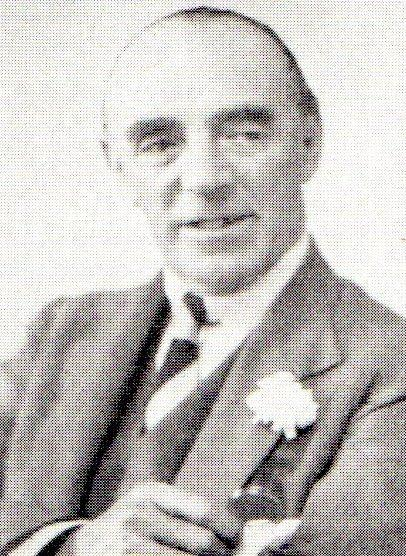
Major Arthur C. Tannahill
The club's Honorary Secretary who organised the first Easter Tournament in 1924, and went on to become the first President of the Kenya Golf Union. The tournament trophy was renamed in his honour in 1938 and, barring two interruptions, has been contested every year since.
Explore the Tannahill Shield →
Heritage That Continues to Evolve
A club with this much history could easily rest on it. Royal Nairobi has instead treated its course as something to keep improving — from the irrigation and re-laid greens of the 1970s and '80s to more recent course refinements undertaken in 2024 and 2025, continuing a century-long pattern of careful, deliberate renewal.
The club today is governed by an elected Board of Directors and owned by its members — a structure that has remained consistent even as the institution itself has grown.
Meet the Board & Governance