
Floodlit Driving Range
Lit for practice after dark — one of the more quietly valued facilities among members who play around work.

What began as a nine-hole, sand-green course in 1906 is today a championship layout defined by length, water, and two nines that play nothing alike.
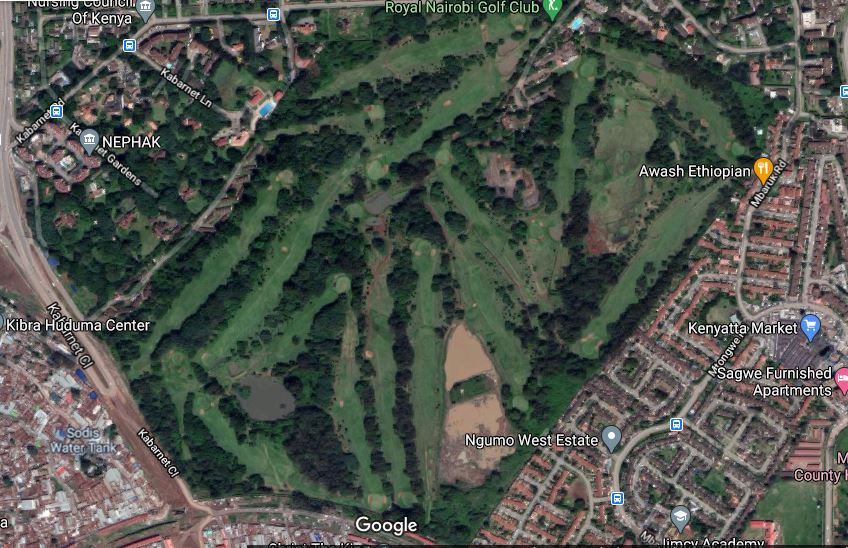
Both nines at Royal Nairobi are relatively flat, but they play quite differently — the two halves of the course sit on different soil structures, which changes how the ball reacts and how the course drains through the seasons.
During the rainy season the course plays soft and long; in the dry months, it firms up and runs fast. Members who know the course well will tell you it rewards a golfer who has learned to read those conditions, not just the yardage.
The course's principal defense is its length, sharpened in recent years by a series of water features brought into play. The most significant is a large dam introduced between the fifteenth and sixteenth holes — an addition that has made the closing stretch considerably tougher, and has quietly decided more than a few club championships.
The course has evolved from its traditional, colonial-era design in step with the modern game — the committee has continued to adapt the layout and equipment standards as golf itself has changed.
See How the Course Has Shaped Our Competitions
A proper warm-up, whatever time of day you arrive.
Lit for practice after dark — one of the more quietly valued facilities among members who play around work.
A dedicated short-game area for chipping and bunker play, separate from the main practice putting green.
The last stop before the first tee, for reading pace and speed on the day's greens.
A fairway irrigation system was installed, one of the club's earliest major investments in course quality.
All greens were re-laid — a significant undertaking that reshaped how the course played and putted.
New USGA-standard greens and lengthened holes continue the club's pattern of careful, deliberate course renewal.